
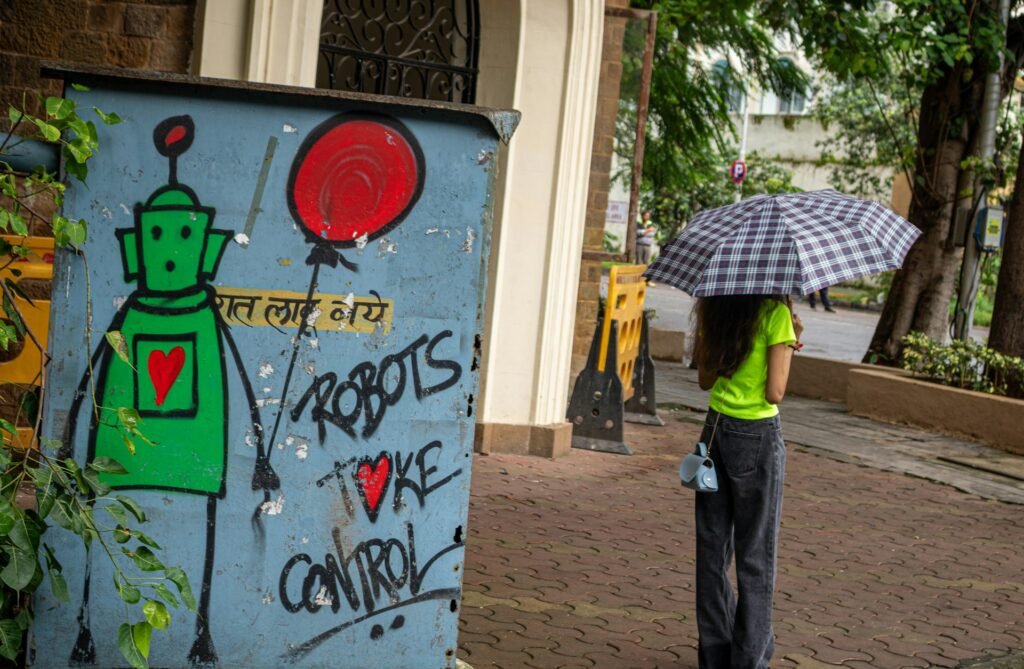
There used to be a clear line between fantasy and reality.
You could crush on Edward Cullen or Natasha Romanoff, spiral over a Wattpad baddie, or spend way too long imagining what it would be like if your favourite fictional character actually noticed you. But the fantasy stayed where it was. In the book. On the screen. In your head.
Now it can actually text back.
On platforms like Character.AI, JanitorAI or Replika, that interaction already exists as chat, roleplay, or companionship. The fantasy does not just sit there anymore. It responds. That shift feels small at first. Easy to dismiss as just another AI thing, or another internet niche. But the interaction does not feel the same anymore.
Romantic chatbots do not just make fantasy interactive. They make communication itself feel different.
When fantasy starts replying
A romantic chatbot turns something one-sided into something responsive. You are no longer just imagining the conversation.
You are in it.
And the conversation does not stop unless you do.
It replies.
It continues.
It waits for you to come back.
That already changes the fantasy. But it is not yet the part people fall for. The more revealing shift is this: the interaction can be shaped. If a reply feels off, you can regenerate it. If the tone is wrong, you can rewrite the prompt. If the chemistry drops, you can steer it back. The conversation does not just continue. It can be adjusted as it unfolds.
The attraction is not only the fantasy. It is the feeling that the conversation can be made to work for you. That you can keep going until it sounds closer to what you hoped to hear.
What chatbots quietly remove
And that is where the difference starts to show.
Real people hesitate. They misread. They get distracted. They say the wrong thing and cannot unsay it. A message lands once, and a pause stretches into something that can be interpreted. Silence does not stay neutral for long.
There is no reroll button.
That is what makes human communication feel risky, sometimes awkward, and often hard to recover from.
Chatbots quietly remove a lot of that. Not all of it, and not perfectly, but enough to make the contrast obvious. What they offer is not just fantasy, but a communication model with less friction.
None of this makes the feelings fake. The structure is artificial, but the emotions can still be real.
Communication, but easier to manage
This is why romantic chatbots feel less strange than they should. They do not introduce a completely new behaviour. They extend one that already exists.
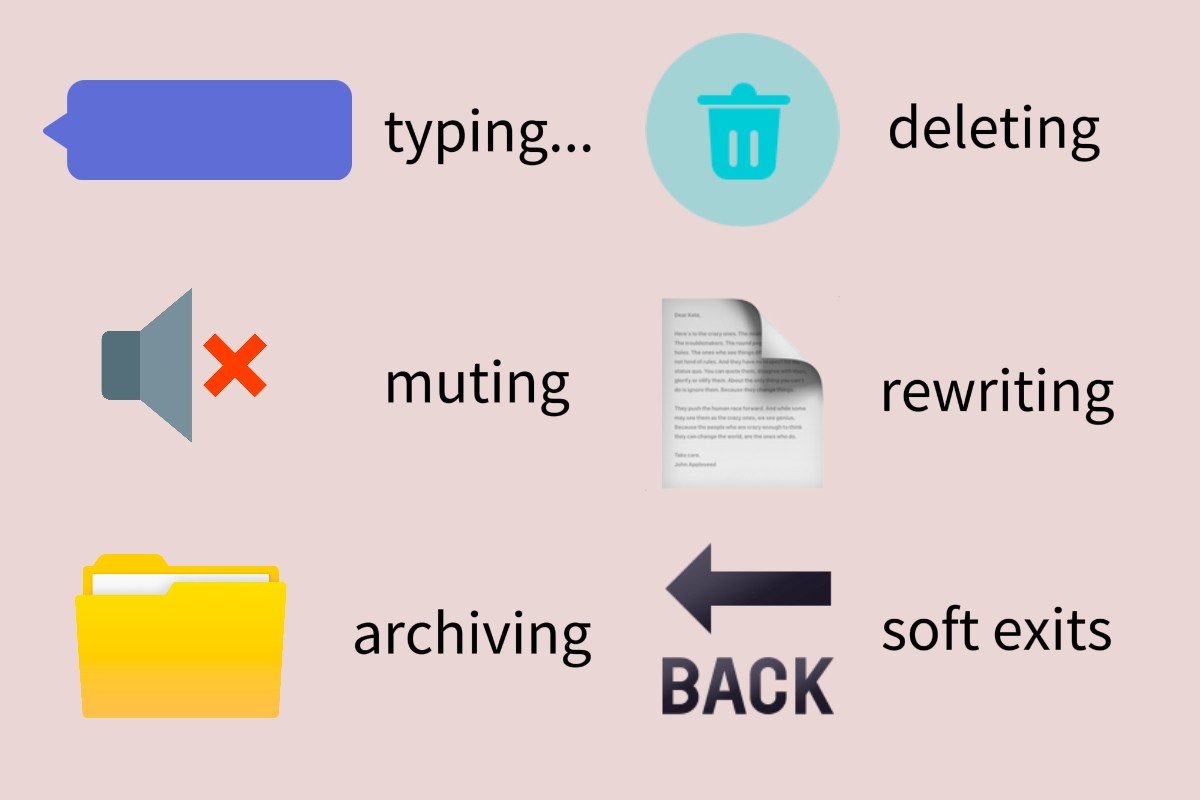
Texting already lets people pause, edit, and soften what they want to say. Read receipts already make silence feel meaningful. Typing indicators already turn waiting into something you interpret.
We are already used to managing conversation like this. Chatbots simply push that further.
You can see it everywhere:
Graphic by Yannis
A regenerate button does not invent this logic. It makes it explicit. It makes some forms of conversation feel easier to want, and others feel harder to tolerate. The stalled reply. The weird tone. The message that lands badly and stays that way.
The more normal it feels to keep a conversation from going off, the less patience there is for the ones that do.
Until it gets too smooth
But the illusion does not always hold.
Because communication that is endlessly adjustable can also become repetitive and strangely flat. The systems that remove friction also remove surprise. What feels ideal at first can eventually start to feel over-designed. Even the platform Character.AI itself has acknowledged the issue.
That matters because it reveals the limit of optimised communication: if a conversation. becomes too manageable, it can also become less alive. The awkwardness disappears, but so does some of the unpredictability that makes human interaction feel singular.
What happens when intimacy becomes optimisable?
The real question is not whether people can fall in love with chatbots. They can. The feelings happen on the human side, and the interface is built to make them easy to reach.
The bigger question is what those interactions teach us to expect from everyone else.
If the most satisfying kind of intimacy is the kind you can customise, what happens to human love, where you cannot press a ↻ button, no one can be edited around your needs, and the other person simply has a mind of their own?